
Samburu Women Trust (SWT)
Organization: Samburu Women Trust (SWT)
Area: Land rights, Gender-based violence, Political Participation
Country: Kenya, East Africa
Across Kenya’s arid and semi-arid lands, Indigenous women sustain communities through drought, conflict, and displacement. They manage food systems, protect land, and carry cultural knowledge. Yet when decisions are made about those same lands and resources, they are pushed to the margins. Some are included only symbolically, without real voice or influence. Others who attempted to enter political arenas were met with patriarchy, intimidation, insults, threats, and cyberbullying.
THEIR EXCLUSION WAS REINFORCED BY POVERTY, LIMITED ACCESS TO TRAINING, AND A LACK OF SUSTAINED POLITICAL SUPPORT.
This is not a single issue. Indigenous women confront gender-based violence, weak protection of community land, and displacement by extractive industries and infrastructure projects, while young women, widows, pastoralists, and women with disabilities remain systematically marginalised. They hold communities together while being left out of the systems that shape their futures.
WITH SUPPORT FROM LFS, SAMBURU WOMEN TRUST HELPED CATALYSE A STRUCTURAL SHIFT IN POWER.
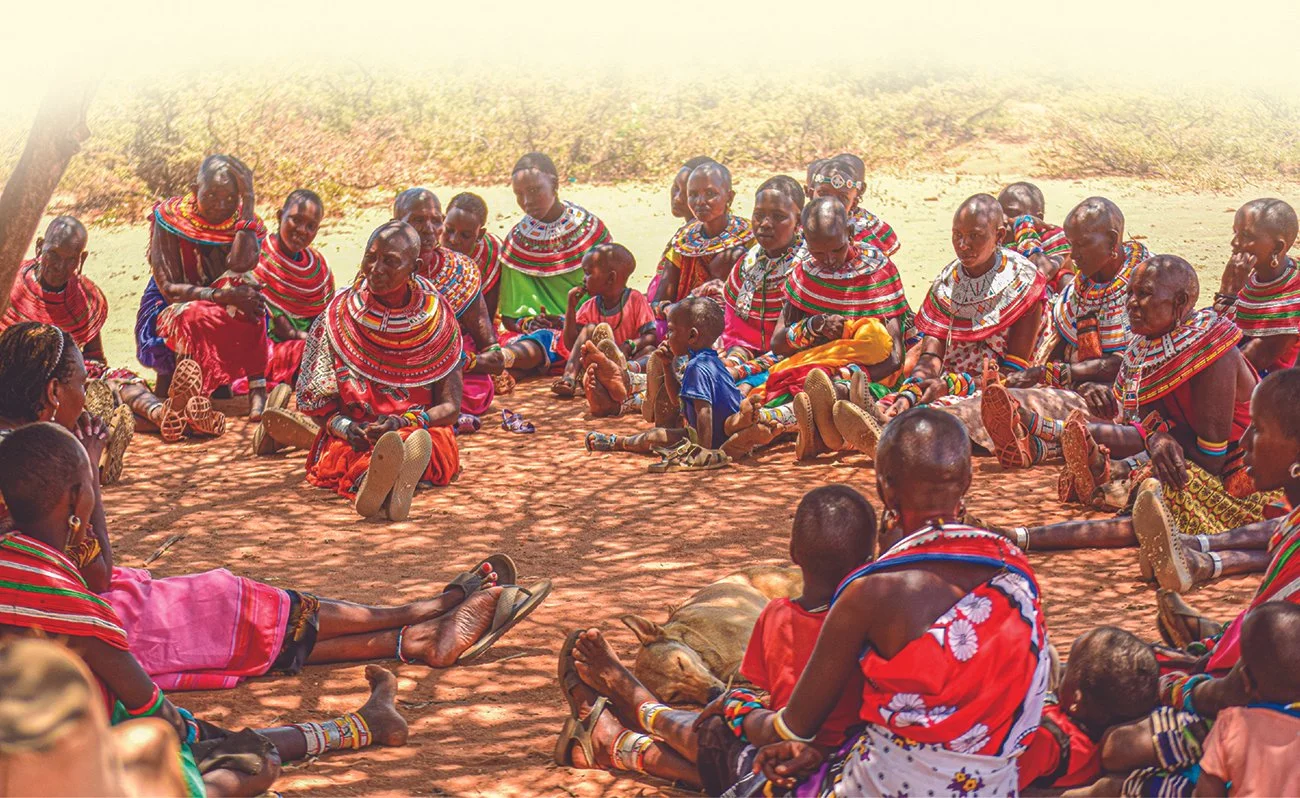
In Nakwang, on the Laikipia–Baringo border, SWT convened women from communities often divided by drought, insecurity, and conflict. During the gathering, a Pokot woman said, “That day in Nakwang, I saw an enemy become a sister.” In that moment, change became visible not as an abstract goal, but as a lived transformation in how women built trust, peace, and shared purpose across communities.
THIS COLLECTIVE POWER HAS ALSO REACHED INSTITUTIONS.
Through collaboration with the National Gender and Equality Commission, SWT’s advocacy contributed to the establishment of an Office of Minority Affairs and the recognition of December 18 as a national day to celebrate Kenya’s minorities. Today, Indigenous women are organised political actors and rights holders, influencing governance and claiming their rights over land, resources, and representation.